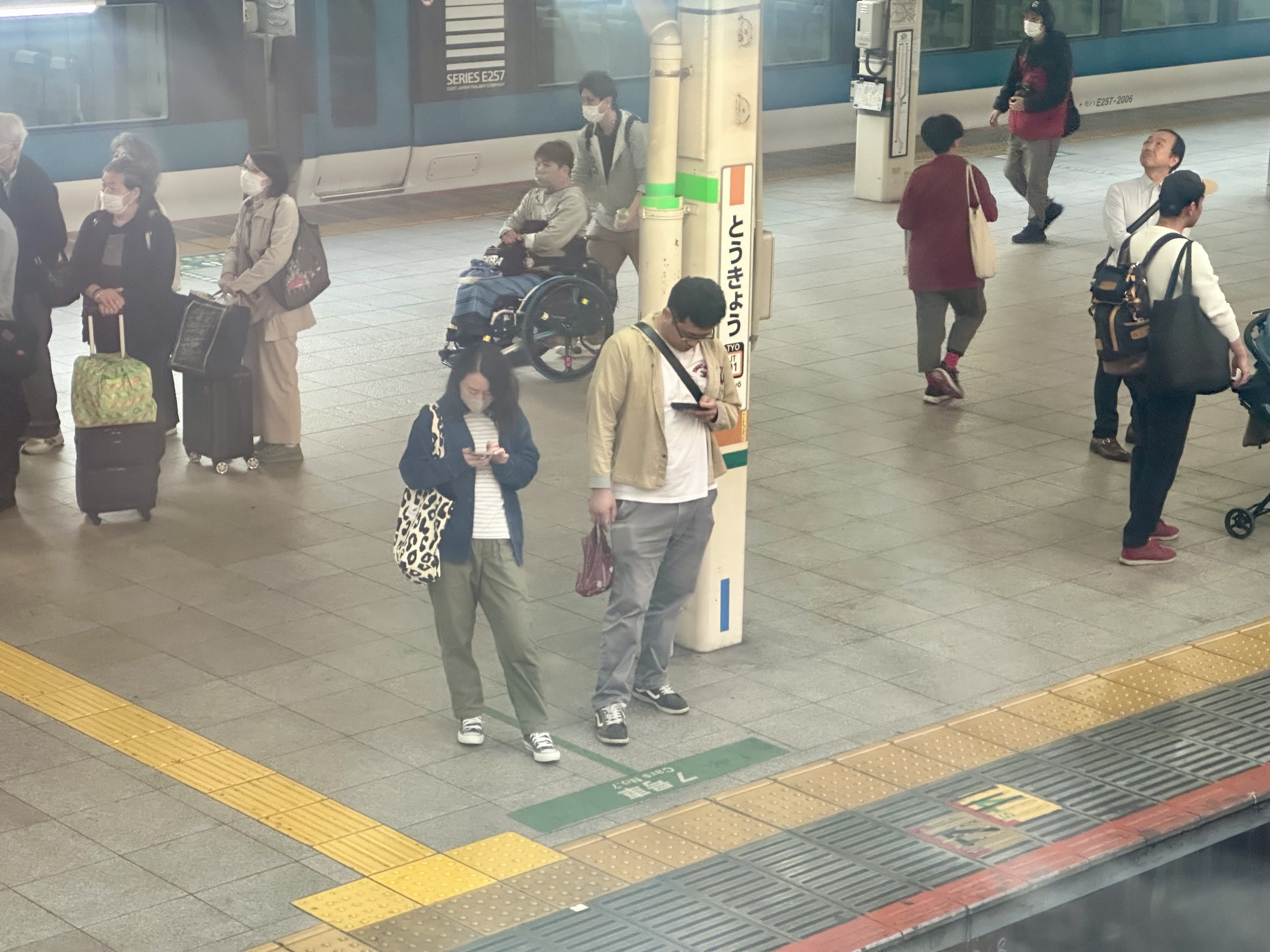
Quick answer
Most travelers do not need to master Japanese rail. They need a calm starting system. That usually means choosing one payment method, understanding the difference between local and faster trains, and planning the airport-to-hotel leg before arrival.
The three transport moments that matter most
- Arrival day: decide how you will pay at gates and which line gets you into the city.
- First station transfer: avoid over-optimizing. A slower but clearer route is often better.
- Long moving day: combine train decisions with luggage planning, not after the fact.
Where travelers usually get stuck
They try to solve too much at once. New airport. New station names. New payment rules. Heavy bags. A sleepy brain. That is why MeetJapan treats transport as a sequence of stress points, not as a giant master guide.
The most common mistakes are boarding a faster train that skips the target stop, choosing a complicated airport route, and assuming a paper-ticket decision is simple when the signs are rushing by.
The simplest strong setup
If your phone setup feels comfortable, start with Mobile Suica. If not, keep transport separate and simplify. Then learn one route pattern at a time. Japan’s train system rewards familiarity quickly, but it punishes ego on day one.